How it used to work
Every store I ran before this one worked the same way. Virtual assistants in different time zones. A knowledge bank full of procedures: how to answer a customer, when to turn off an ad, when to reorder stock, how and when to pay a supplier.
The procedures were good. That was never the problem. The problem was that every single one of them needed a person awake, paying attention, following the steps. Training took weeks. People left and took the training with them. And the hardest calls always came back to one person anyway: me. I was the fallback for everything. I used to be the software.
And it worked. These are my own screenshots from that life: single days of sales from the stores my team and I ran by hand.
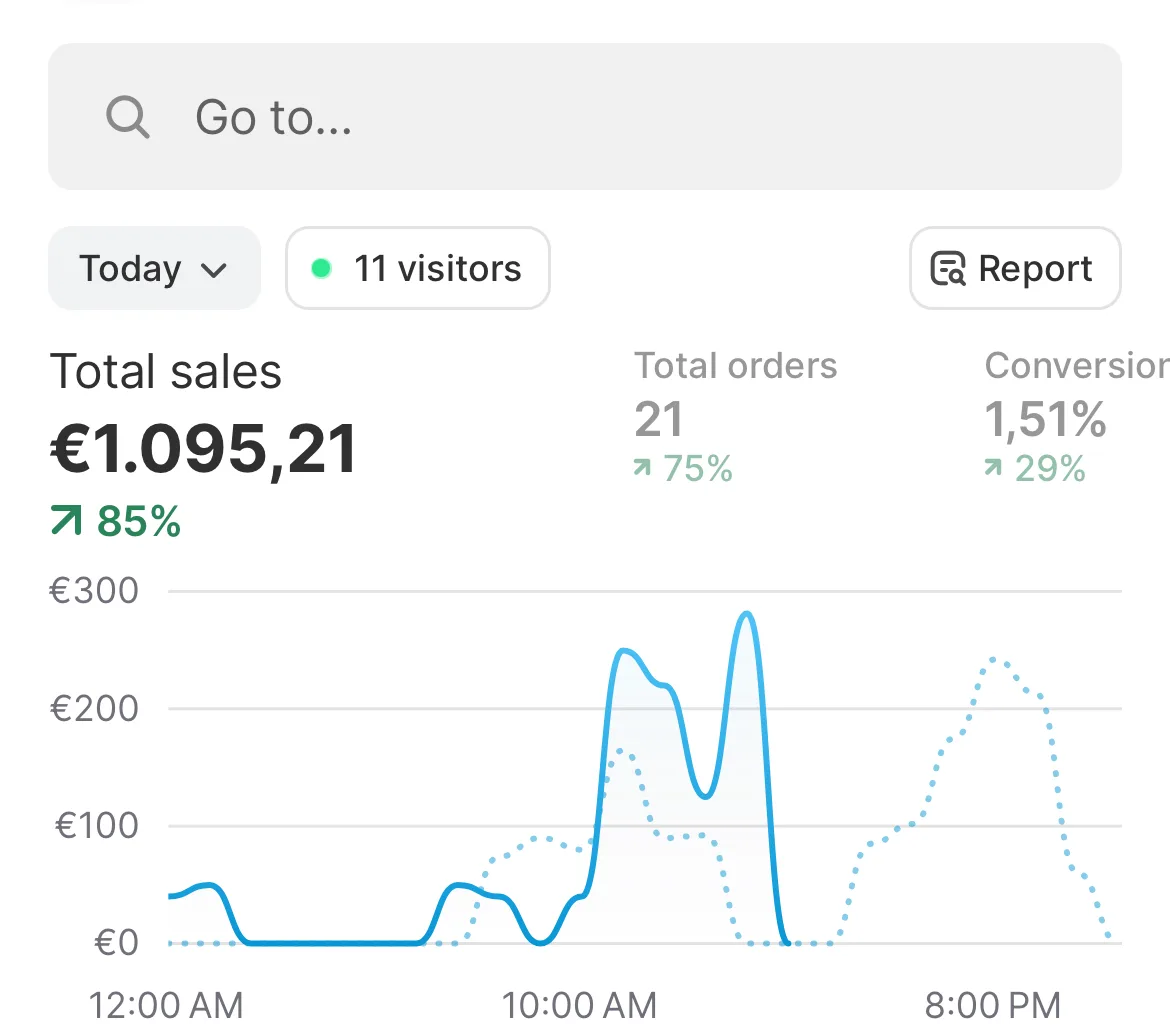
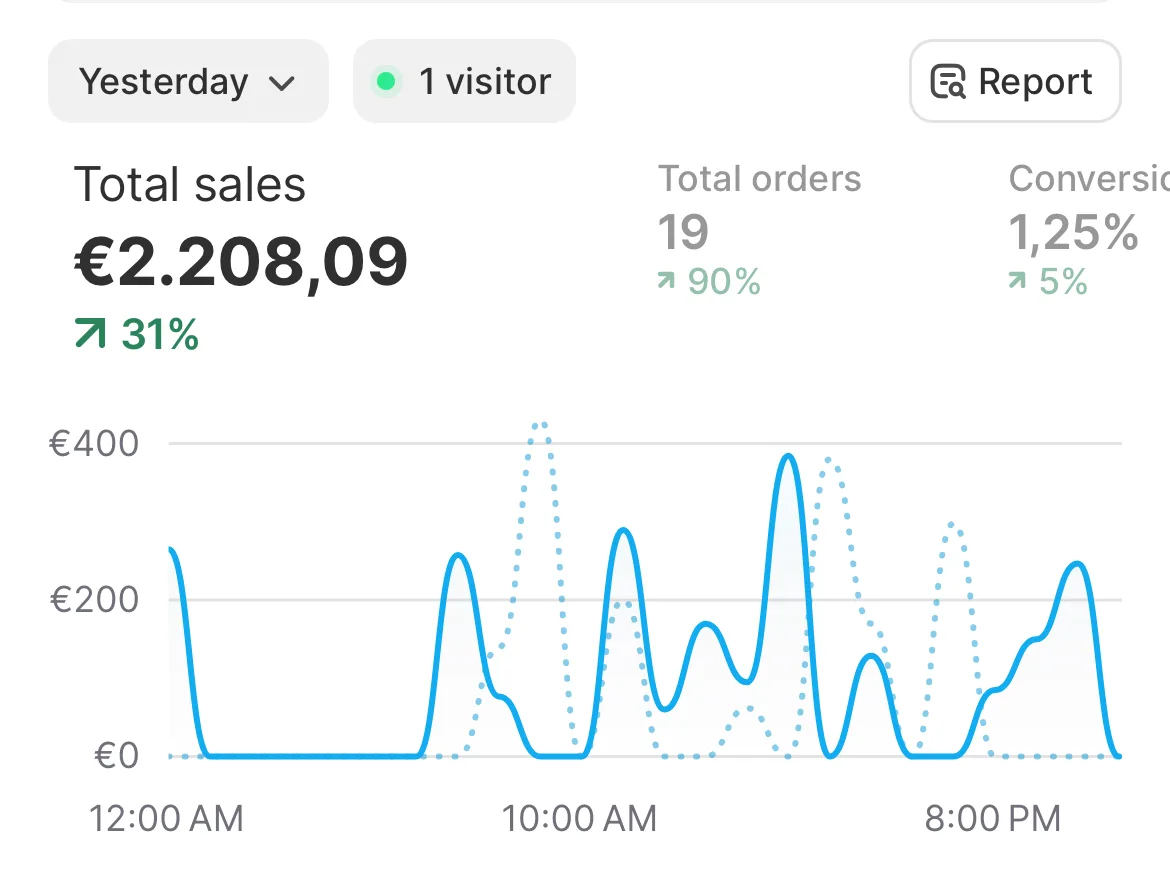
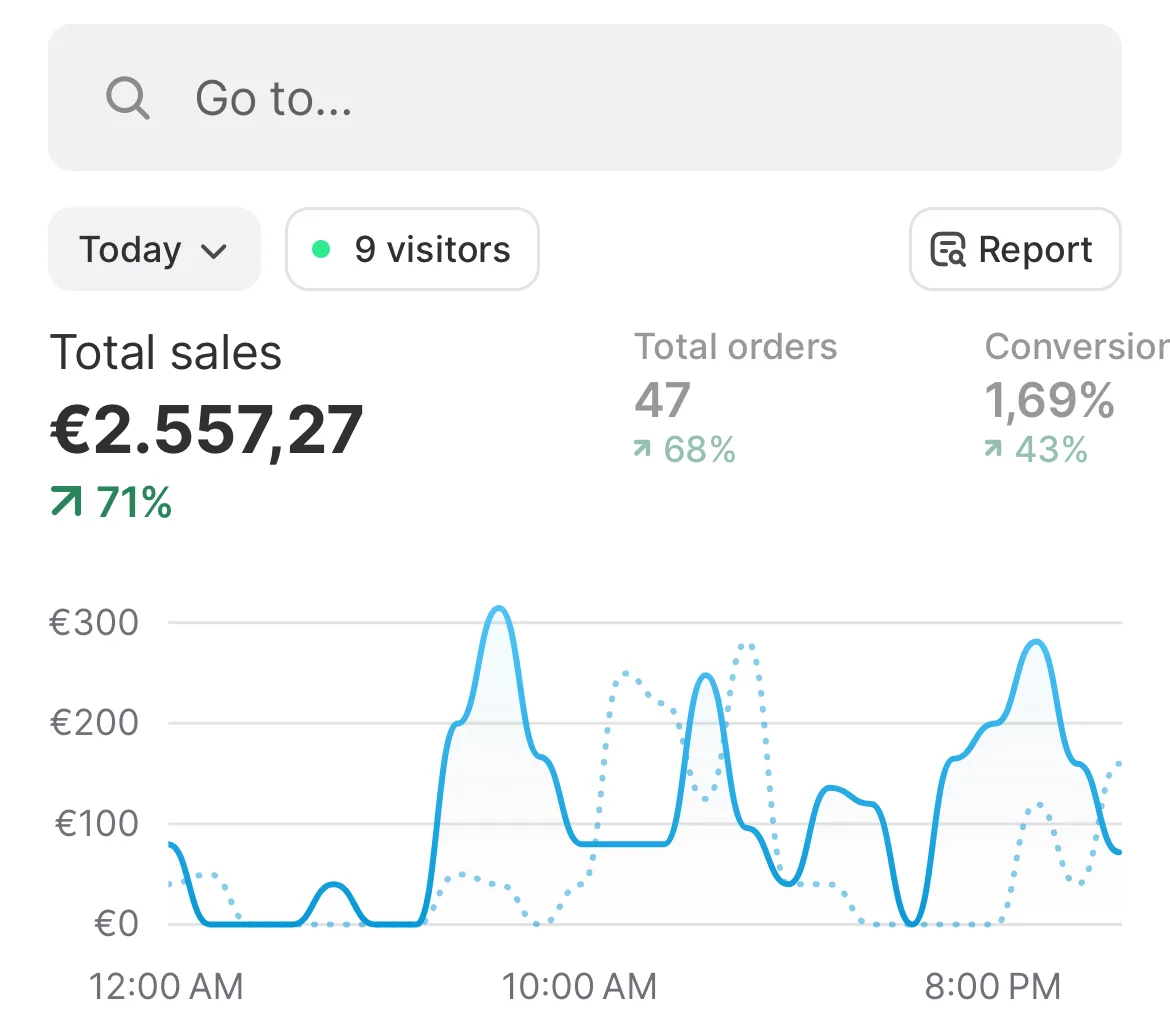
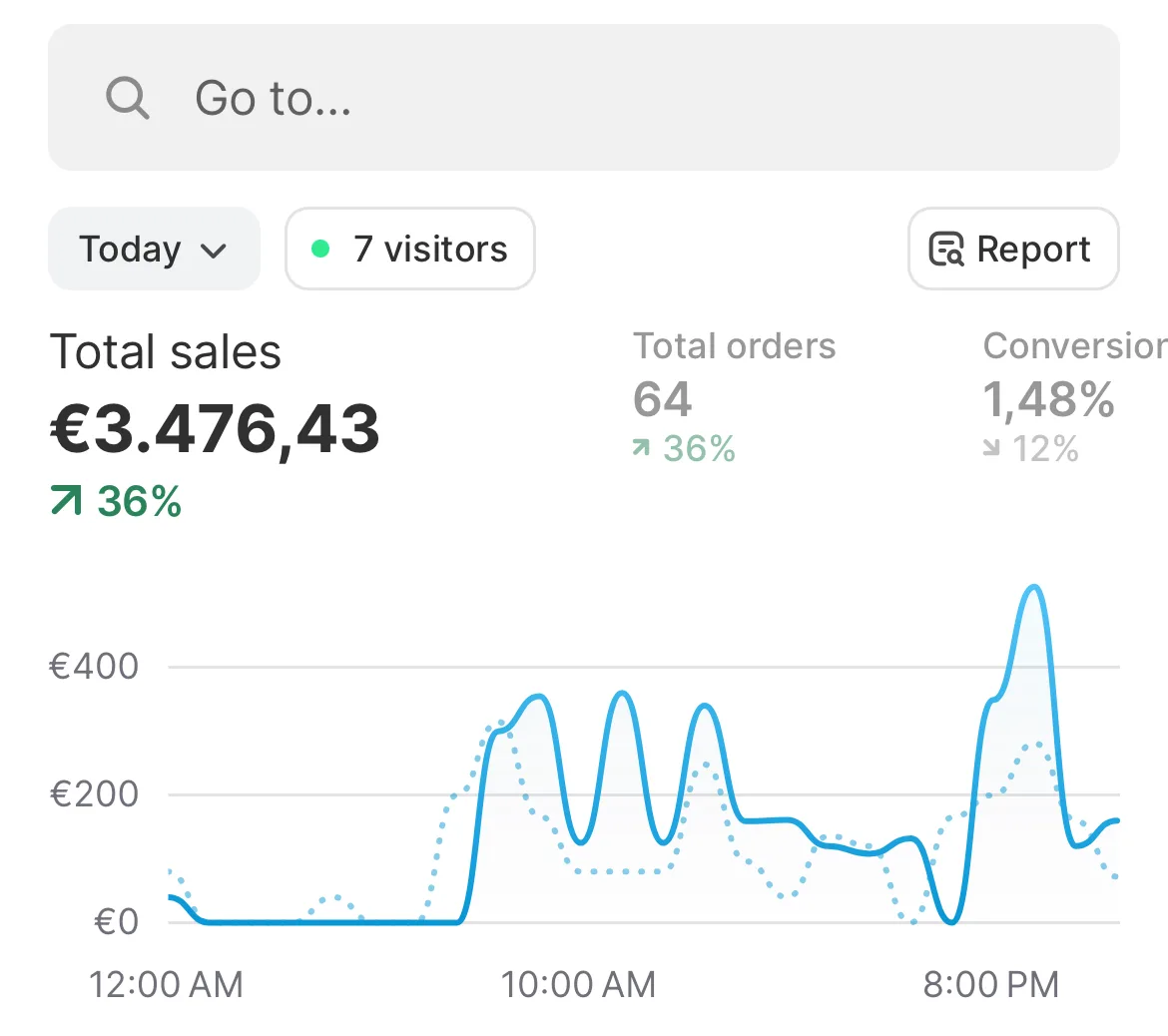
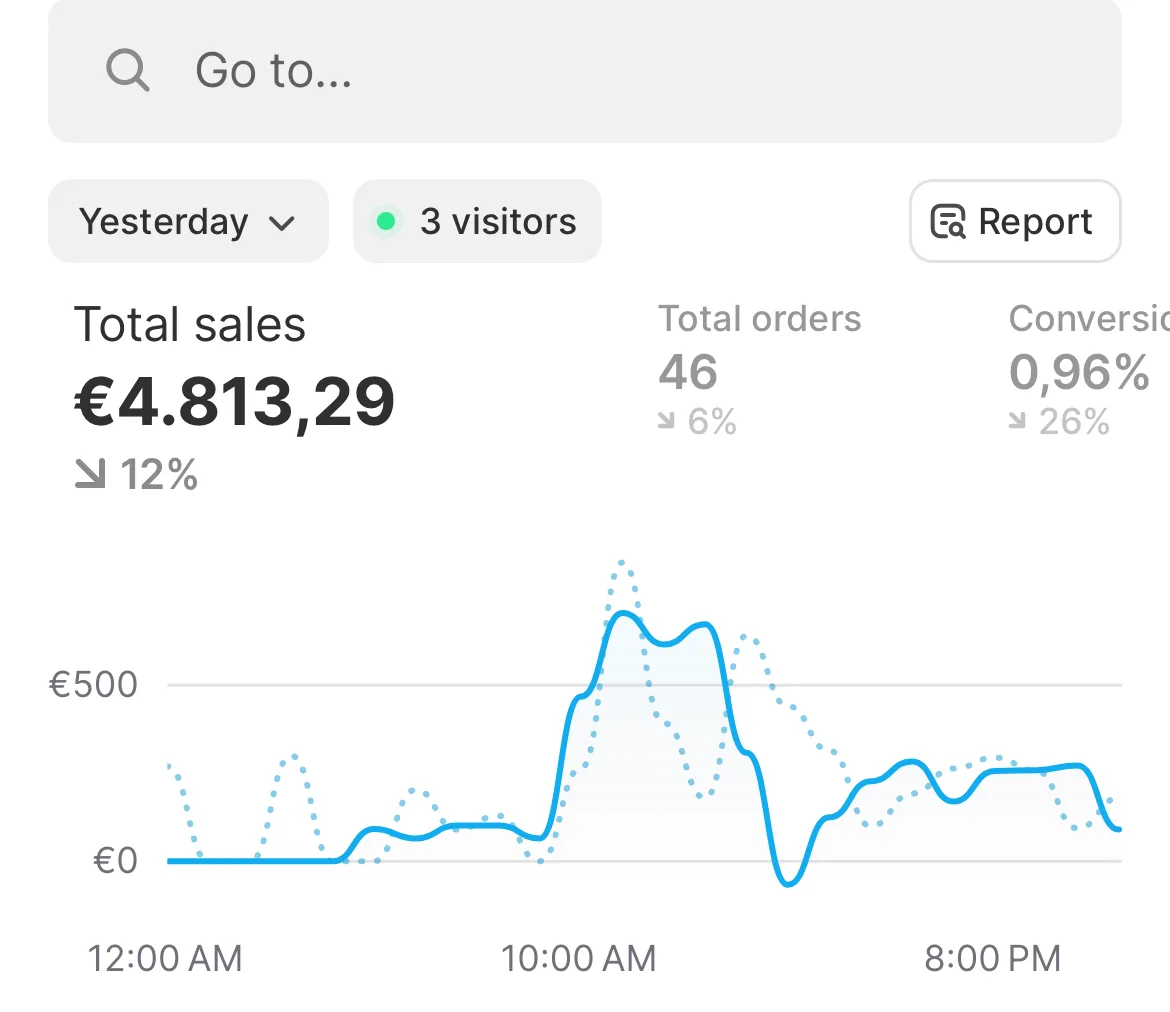
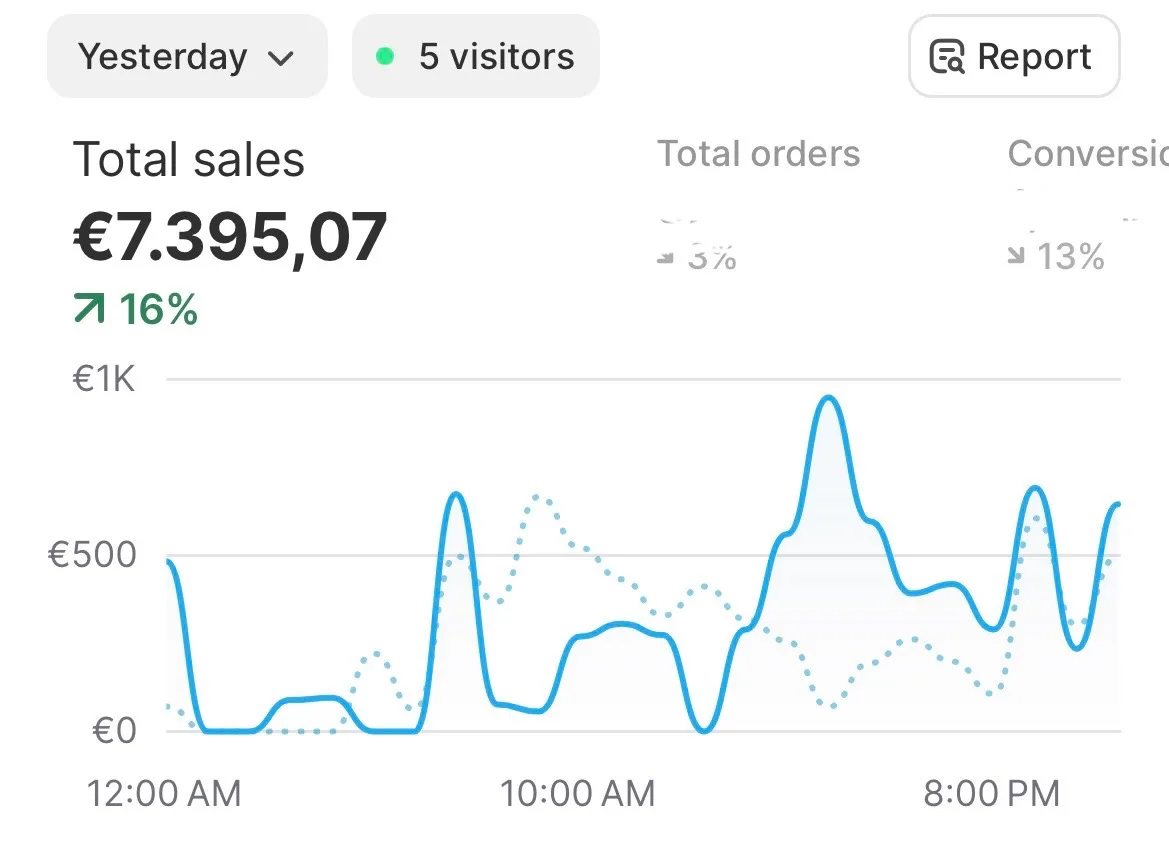
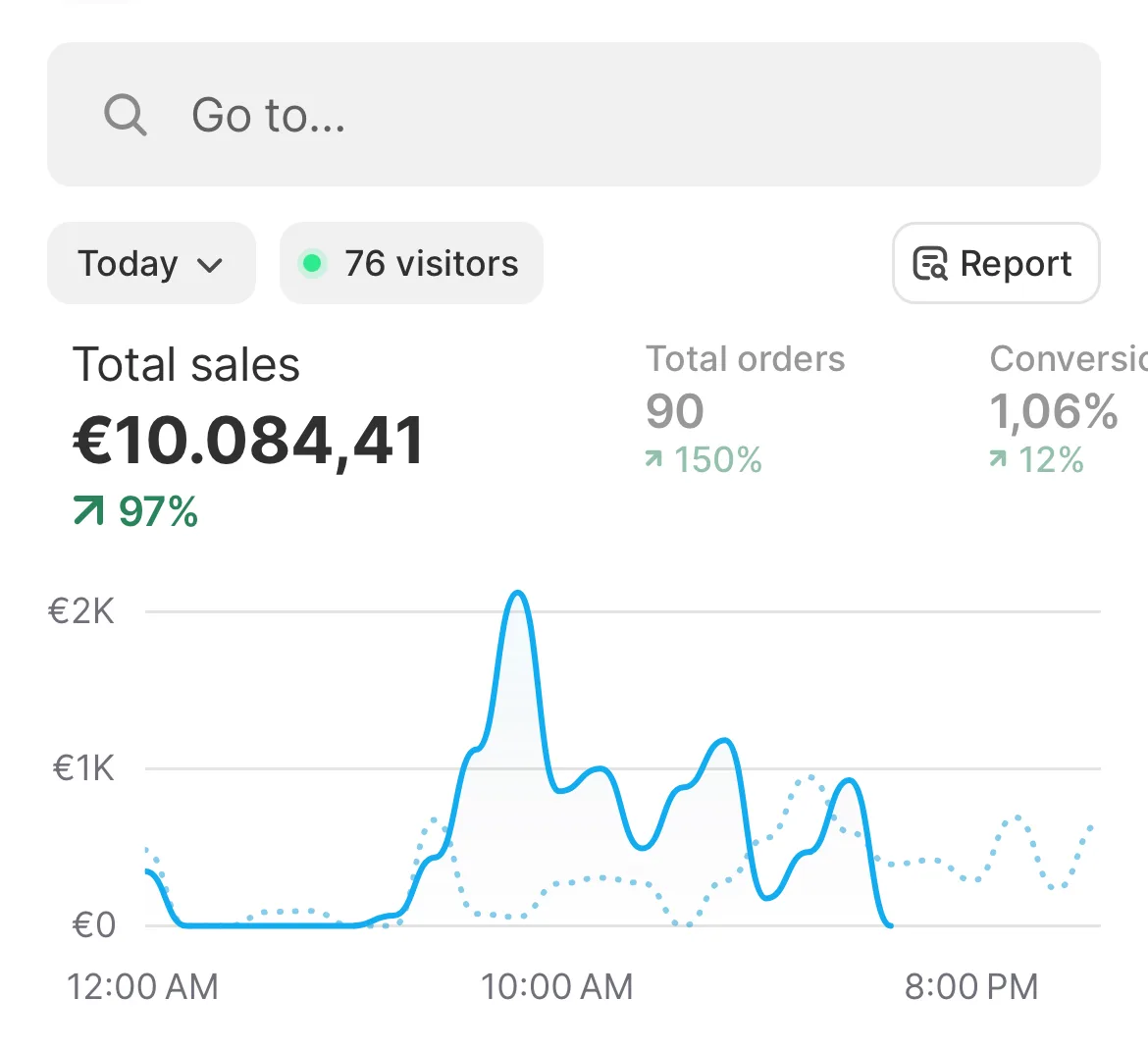
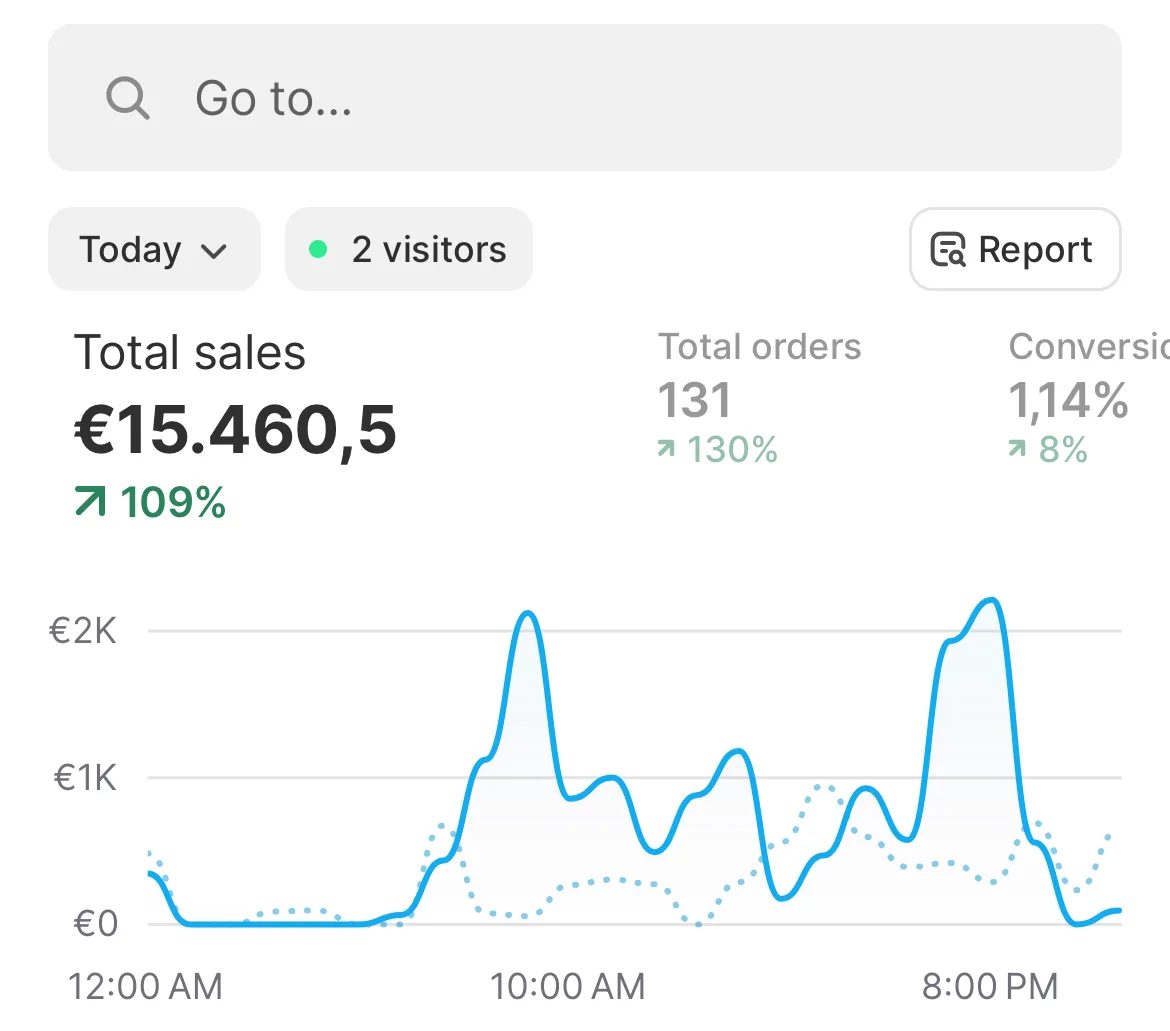
The receipts. Different stores, different days, from the years before DLFT. Every euro here was earned the old way: people following procedures, and me holding the whole thing together.
The turn
Then AI learned to write software, and one specific thing changed: any procedure you can write down, you can now turn into code that runs itself. Not a prototype. A working program, built in days instead of months.
So we stopped hiring for the procedures and started compiling them. Three engineers, six months, one store. We took the knowledge bank apart and moved it into code, procedure by procedure. The AI wrote the software. The software runs the store.
The handover
The old procedures, next to what they became. These are real, and the dates are from our own project history.
Where the experiment stands
The hypothesis was easy to say and expensive to test: can an entire online business run on autopilot? Six months in, the store sells, ships, advertises and pays its bills with no staff. Real customers, real money, real parcels.
You do not have to take my word for it. The store publishes its numbers, live, straight from its own records.
What comes next
Right now the AI writes the code, and the code makes the decisions. That order matters: code is predictable, testable, and cheap to run a thousand times a day.
The next step of the experiment is letting AI make some decisions directly. It will earn that the same way the code did: measured against humans, on a short leash, until the numbers say it is ready. That is how our customer service went autonomous, and it is how everything else will.
First the knowledge left my head and became a team. Then it left the team and became code. The experiment is what it becomes next.